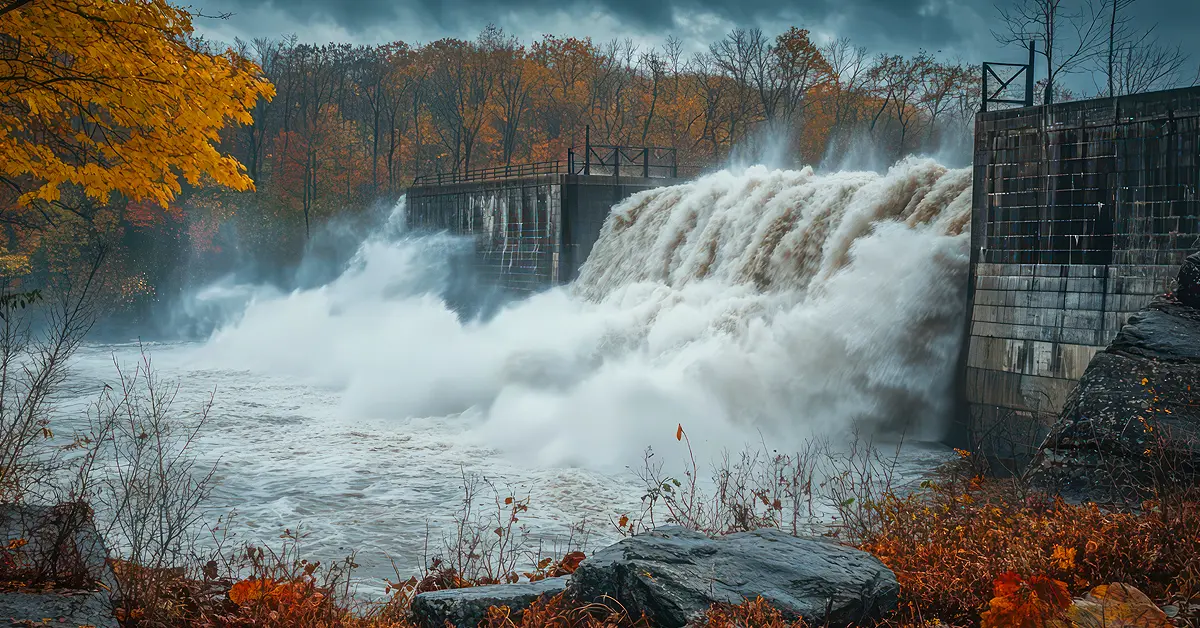

“Praise the Lord from the earth, you great sea creatures and all ocean depths,
lightning and hail, snow and clouds, stormy winds that do his bidding,
you mountains and all hills, fruit trees and all cedars,
wild animals and all cattle, small creatures and flying birds,
kings of the earth and all nations, you princes and all rulers on earth,
young men and women, old men and children.”
— Psalms 148:7-12
The weather can be challenging, I know. It was one of the driest and hottest years in the desert in recent memory… probably since the Hohokam disappeared from these parts, maybe even since the extinction of the dinosaurs. And I just got back from the Midwest where I experienced some freakishly early snow storms packing that miserable lake effect chill that nearly froze my face mid-sentence. Probably that area hasn’t seen weather that brutal since the last ice age…
I jest, but you get the point. When did complaining about the weather become such a thing, or has it always been in our DNA? Folks just love to talk about the weather, but it typically amounts to little more than complaining.
As an ice breaker (no pun intended), it might not be such a bad thing. After all, some folks often struggle to get a meaningful conversation going, and we should applaud any effort to do something productive. As a go-to, whether it’s with a friend, acquaintance, or the dude standing in line with you at the market… let’s be honest, this tendency has simply gone too far.
Of course it’s hot in the Arizona desert. Of course it’s raining in the Pacific Northwest. Of course it can be bitterly cold in the Midwest. Of course there’s a sulfurous stench in Mordor. Shoot, you’ve likely had years if not decades or a lifetime to get used to it. It’s either a matter of “stop complaining” about weather that makes you think you’re living in the midst of a Biblical apocalypse, or move to a much more pleasant climate. Or, there’s a third option.
“I am glad that you are here with me. Here at the end of all things, Sam.”
— Frodo Baggins
Yep, Frodo actually said that with lightning striking overhead, the sun completely blotted out, and the volcano getting ready to blow. It was gratitude. Pure and simple. And he was rewarded with an intensely positive sense of friendship, loyalty, and peace in the midst of such unimaginable darkness.
ARE WE REALLY OFFENDING GOD WHEN WE COMPLAIN ABOUT THE WEATHER?
It challenges His sovereignty
God is in control of all of creation, including the weather, which obeys His will and performs the word of His power. Complaining about it can be seen as a rejection of His authority and an expression of resentment that the weather isn’t how we would like it to be.
It demonstrates a lack of faith
Grumbling about the weather can be a sign of a lack of faith in God’s goodness and provision, implying that He is not being sufficiently good, loving, or wise. It questions whether He is there and if He cares about the details of our lives.
It prioritizes personal comfort
Complaining about the weather can show a misplaced focus on personal comfort, making it an idol. It can suggest a preference for imaginary “perfect” weather over being thankful for God’s present provisions.
It reflects a spirit of rebellion
In Biblical terms, grumbling is often equated with rebellion, as seen with the Israelites. When we complain, especially about something as fundamental as the weather, we are, in a sense, repeating that pattern of rebellion by questioning God’s leadership.
It minimizes God’s power
Complaining can minimize God’s work and the problems we face, focusing on the difficulty of the “The Storm” rather than the One who can bring calm. It can be a failure to see God’s splendor in creation and a tendency to see ourselves as victims rather than individuals with faith.
DON’T BE NEGATIVELY AFFECTED BY THE THINGS YOU CAN’T CONTROL
The weather is a great place to start if you want to work on the bad habit of complaining. Since you have no control over it, and can’t readily place the blame on anyone for weather conditions, it’s going to be very difficult to wiggle out of making any progress. Here’s some things you can do to help you (and the people around you) on your way:
Focus on God’s presence
God is in control of all weather, not just the pleasant days. Even on rainy or cold days, His goodness is present, and every day serves a purpose in His perfect plan.
Work on your faith and virtue
Instead of complaining about difficult weather, the faithful should pray for the strength to endure it. This endurance can lead to personal growth and the development of virtues.
Choosing a positive perspective
The weather itself is not inherently a blessing or a curse; it is the perspective one brings to it that makes the difference. By approaching all weather with a grateful heart, one can see God’s blessings even in difficult conditions.
Find beauty and purpose
Look for the beauty in all of nature, regardless of the weather, and recognize that God has given us this earth as a mighty blessing.
STUCK INSIDE? THINK OF IT AS AN OPPORTUNITY!
Get creative
Write in a journal, play with arts and crafts, build a blanket and pillow fort with the kids.
Play games
Gather friends or family for a board game or card game marathon, or tackle a jigsaw puzzle.
Relax and unwind
Binge-watch your favorite shows or have a movie marathon, read a book, or listen to soothing music as you ponder your favorite Gospel passages.
Get active
Dance to upbeat music, do some housework, or jump start that exercise regimen.
Cook and bake
Remember Aunt Bee from “Pie it Forward?” Make your favorite comfort food, bake a pie, or create a fun drink bar with hot chocolate or tea.
Visit other indoor venues
Explore local museums, visit an aquarium, or catch a worthy movie at a local theater.
“Conversation about the weather is the last refuge of the unimaginative.”
— Oscar Wilde