
Ever notice the unmowed grass, or the mail, leaves or snow piling up at a neighbors house – and you know that neighbor is getting up there in years?
Time to check in with a simple visit. Our older neighbors are more vulnerable to social isolation, health emergencies, and extreme weather events. Your regular check-ins can provide a vital social connection, help ensure their safety by providing a way to spot potential problems, and help them meet their daily needs.
SOME SIMPLE WAYS YOU CAN SERVE AN ELDERLY NEIGHBOR IN NEED
Introduce yourself if you’ve never met, and visit often
Share emergency contact information. Find out if your neighbor has local caregivers. If you notice that mail and newspapers aren’t being picked up, check on them.
Offer to help with meals
Go grocery shopping or share a family dinner. Malnutrition is a common problem with the elderly and may result in confusion, disorientation, and apathy.
Provide transportation
Offer to take your neighbor to the doctor’s office or other appointment.
Help with lawn maintenance
If grass looks overgrown, offer to mow. You can also refer your neighbor to local teens who may trim bushes or pull weeds at a lower cost than professional lawn services.
Be their defense against scams
Don’t let your neighbor get taken by a scammers. Report suspicious activity to your local law enforcement agency.
Home maintenance help
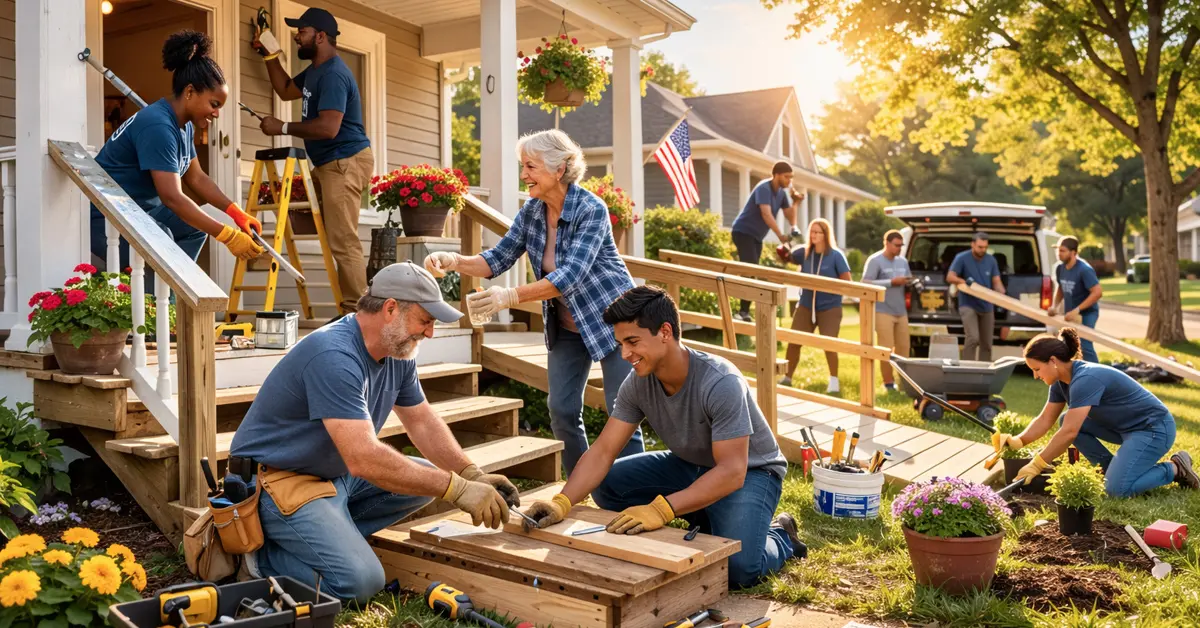
Offer to change lightbulbs, install grab bars, paint, or tackle other projects that need attention.
Personal Care
Take your elderly neighbor to get a haircut or, if they’re homebound, arrange for a hair stylist to come to their home.
Look for pet neglect
As elderly neighbors lose mobility, pets may suffer. Walk their pets, make sure their fed (daily if necessary, and help with grooming.
Just listen
Loneliness and isolation are often associated with depression in the elderly. Invite your neighbor for a short walk around the block. Exercise relieves stress and opens the door for conversations.
Find community services
Consider if your neighbor needs additional help. Your church is a great place to start the inquiries. There are programs in most towns that allow seniors to stay safely in their own homes.
CATHOLIC AGENCIES AND SERVICES FOR THE ELDERLY
Catholic Charities USA
As the largest social service network in the United States, Catholic Charities has numerous local chapters that provide a wide range of services for seniors, including financial aid, food assistance, and programs to combat loneliness.
Foundation for Senior Living (FSL)
Established by the Roman Catholic Diocese of Phoenix, FSL provides a variety of services such as affordable housing, senior centers, home meal delivery, and caregiver training.
Catholic Housing and Community Services (CHCS)
This agency helps older adults with resources, care coordination, and transitioning between care settings.
Local and diocesan programs
Many dioceses and Catholic Charities affiliates have specific programs for the elderly, such as the Catholic Charities Senior Program in Houston, which offers financial assistance, support, and fellowship, and the Catholic Charities of Los Angeles, which has a program to “protect the aging”.
Catholic Health Association (CHA)
CHA is a national organization that represents Catholic health care sponsors, which are vital in the eldercare ministry. They provide a broad spectrum of services at organizations that include acute and primary care, long-term care services and supports, and senior housing.
Services commonly offered:
- Financial assistance for utilities, rent, and medications
- Food assistance, including home meal delivery and senior centers
- Home care services, both non-medical and home health care
- Affordable and assisted living housing options
- Case management and support for caregivers
- Transportation assistance
- Social and recreational activities at senior center
“Do not cast me away when I am old; do not forsake me when my strength is gone.”
— Psalm 71:9