Turn Game Day Into a Neighbor Day
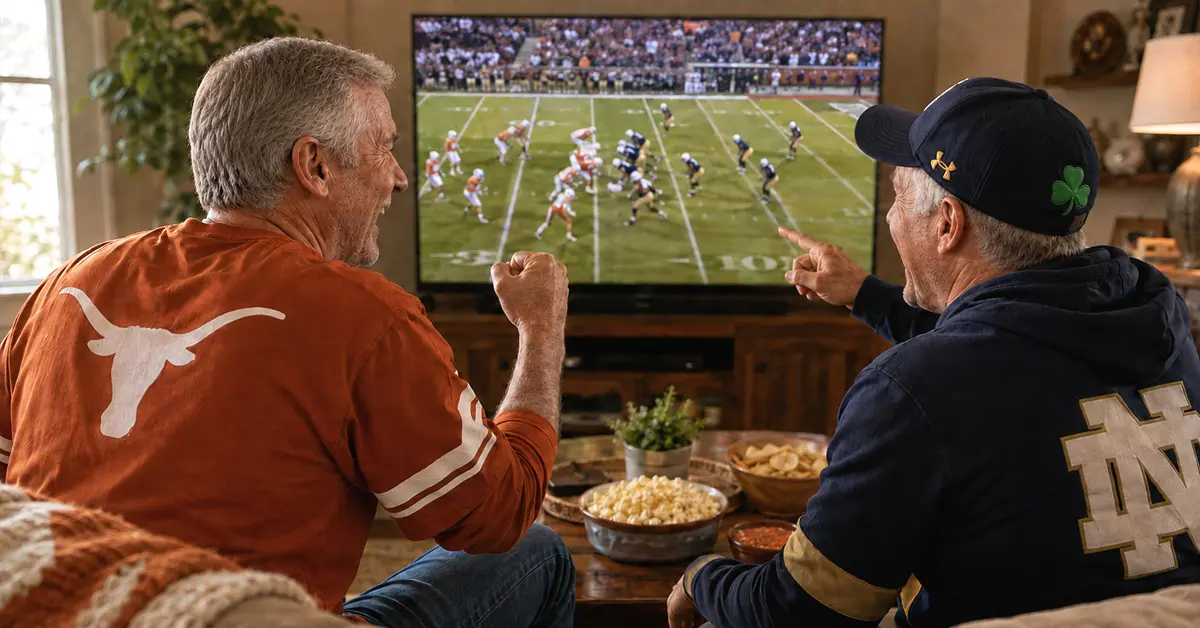
College football has a remarkable ability to bring people together—and occasionally turn otherwise reasonable adults into highly agitated amateur referees.
Every fall, millions of us arrange our Saturdays around kickoff times. We wear the colors, prepare enough food for an offensive line, complain about the rankings, and gather to watch young men carry the hopes of entire states on their shoulder pads.
That may sound like mere entertainment, but college football gives us something increasingly rare: a reason to gather in person.
IF YOU’RE ALREADY WATCHING COLLEGE FOOTBALL, USE IT TO DO SOMETHING USEFUL.
In a culture where neighbors can live twenty feet apart and remain complete strangers, game day offers a natural opportunity to open the door, share a meal, strengthen a friendship, welcome someone who is alone, and discover who might need a little help.
You’re already watching the game. Why not put the afternoon to better use?
NOT A FOOTBALL FAN?
Football is only the excuse.
Choose something you already enjoy—coffee on the patio, cards, gardening, an old movie, a neighborhood walk or a backyard fire—and invite someone else into it.
You don’t have to organize a program or become the neighborhood social director. Just stop doing everything alone. Start with one person, one invitation and one ordinary activity.
The activity is the excuse. Human connection is the point.
The Home-Field Advantage
Hospitality does not require a spotless house, elaborate decorations, or a television large enough to be seen from the International Space Station.
It requires an open door.
Invite a few neighbors, parishioners, veterans, widows, newcomers, college students, or families over to watch a game. Ask your guests to bring something simple if they’d like, but make it clear that their company is what matters.
Don’t limit the invitation to your usual circle. Consider the person who might not otherwise have anywhere to go:
-
- The neighbor who recently lost a spouse
- The new family down the street
- The veteran living alone
- The college student far from home
- The elderly parishioner who still follows every game
- The family struggling financially
- The person whose team is almost certain to lose—but who deserves Christian charity anyway
A football game removes much of the awkwardness from a first gathering. Nobody has to sustain a profound conversation for three straight hours. The game provides a common focus, while halftime, commercials, and questionable officiating create plenty of openings to talk.
Make It More Than a Watch Party
A Go Forth gathering should leave the community a little better than it found it. Add one simple act of service to your game-day plans.
Run a Game Day Collection
Ask guests to bring one useful item for a local need:
-
- Canned food for a parish pantry
- Coats, blankets, or socks for a shelter
- Diapers and formula for a pregnancy center
- Pet food for an animal rescue
- School supplies for local teachers
- Toiletries for veterans or homeless neighbors
Keep it specific. People respond more readily to “Bring one package of diapers” than to “Please help solve poverty.”
Pass the Helmet
Set out a football helmet, bowl, or jar for voluntary contributions to a nearby family facing illness, unemployment, or another hardship. Even modest gifts add up when people gather regularly throughout the season.
Choose a local need whenever possible. CORAC is built around helping the people God has placed within reach.
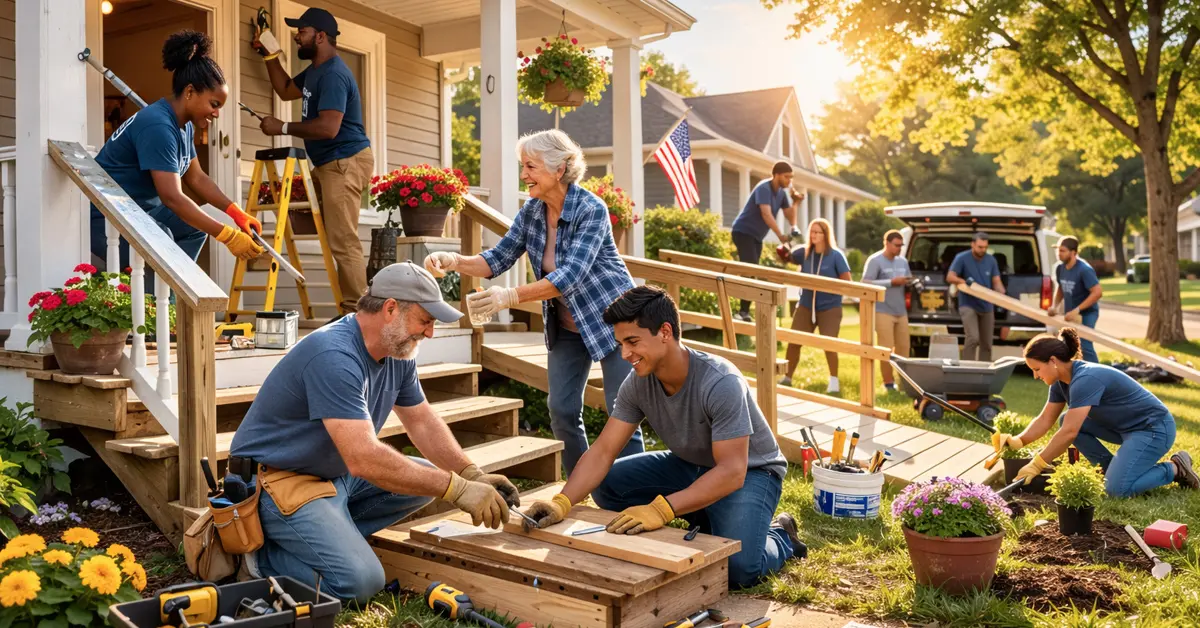
Form a Saturday Service Squad
Before the game, spend an hour completing a practical neighborhood project:
-
- Rake leaves for an elderly neighbor
- Haul away yard debris
- Repair a gate or handrail
- Clean up a nearby park
- Move furniture for someone
- Replace smoke-detector batteries
- Deliver groceries or a prepared meal
- Help a neighbor winterize the house
Many hands can finish a small project quickly. Serve first, then head inside for kickoff, food, and the comfortable conviction that you accomplished more than shouting at a television.
The Rivalry Challenge
Turn a famous rivalry into some friendly local competition.
Divide participants by team loyalty and see which side can collect the most food, donate the most supplies, or provide the most volunteer hours. The losing side can perform an additional service project—or endure the perfectly reasonable humiliation of serving dessert while wearing the rival team’s colors.
Keep the rivalry cheerful. The goal is not to prove that one fan base enjoys greater favor with Almighty God, no matter how compelling your evidence may seem.
The goal is to convert competitive energy into practical charity.
Include the Kids
Game day can teach children that community is something we build, not merely someplace we live.
Give younger participants meaningful jobs:
-
- Make invitation cards for neighbors
- Decorate collection boxes in team colors
- Help prepare or serve food
- Sort donated supplies
- Write encouraging notes for recipients
- Carry lightweight tools during a service project
- Check on an elderly guest
- Help clean up afterward
Children remember what adults repeatedly do. If they grow up seeing football Saturdays connected with hospitality, service, generosity, and friendship, they may carry those habits into their own homes and communities.
That is how culture is rebuilt: one family tradition at a time.
Start With One Game
You don’t need to organize a community-wide tailgate or create a twelve-week schedule.
Pick one game.
Invite a handful of people. Choose one modest service component. Put a pot of chili on the stove, set out some folding chairs, and open the door.
During the gathering, listen. Ask people how they are doing. Find out who has a skill to share and who has a need that others might meet. The retired electrician may be able to help the single mother with a faulty outlet. The widower may need someone to drive him to an appointment. The young couple may be looking for a parish. The teenager may need a mentor.
The football game gets people into the room. What happens among them can extend far beyond the final whistle.
Your Go Forth Gridiron Playbook
For your next college football Saturday:
-
- Choose a game and set the time.
- Invite at least one person outside your regular circle.
- Select one local collection or service project.
- Keep the food simple and let others contribute.
- Make introductions instead of allowing people to remain in familiar clusters.
- Pay attention to needs, skills and possible connections.
- Before everyone leaves, choose the next right step.
Maybe that next step is another gathering. Maybe it’s repairing someone’s porch, delivering a meal, helping a young person find work or simply checking on a neighbor during the week.
Whatever it is, follow through.
College football gives us teams to cheer for, traditions to share and stories that stretch across generations. Used well, it can also give us a reason to come out of our separate houses and become neighbors again.
You may not be able to influence the playoff committee, repair college athletics or persuade the officials that your team was clearly robbed.
But you can feed someone. Welcome someone. Help someone. Bring people together.
And if football isn’t your thing, choose something that is. Invite one person to join you.
The activity is only the excuse. Human connection is the point.
That is a victory you don’t have to leave to the scoreboard.
“Do not neglect hospitality, for through it some have unknowingly entertained angels.”
— Hebrews 13:2