I’ve been hearing a ton of lamenting about the midterm results, some of it drifting into election fraud conspiracies. I understand the disappointment. People have real concerns about the country, and election results have consequences.
But I have a question.
If every Republican we wanted had won, what were we planning to do next?
Go forth? Or sit back down?
We can become so invested in having our candidates win that we begin treating a successful election cycle as the accomplishment. Yay for our people. Presumably, they’re going to do what’s in the best interest of the country.
Great. While they’re getting on with their work, what are we going to do? We ought to get started before the next campaign begins, which I believe gives us until Thursday.
There is nothing wrong with supporting candidates, working for good policies, or expecting elected officials to do their jobs. I’d appreciate it if mine could occasionally fit some governing between all the useless lawfare and explaining why everything is somebody else’s fault.
But we have work to do, too.
The Work Is Still Ours
CORAC exists to help rebuild communities around faith, family, and freedom. Someone has to make the call, learn the name, teach the skill, organize the help, and keep showing up after the initial enthusiasm wears off.
A Republican majority cannot do those things for us. Neither can Trump.
Even if they accomplish everything we hope they will, that work will still be waiting.
We cannot vote someone else into being a faithful spouse, an attentive parent, a dependable neighbor, or the person who notices that an elderly parishioner hasn’t been around lately.
We have to become those people ourselves.
That’s an uncomfortable arrangement. Apparently, casting a ballot doesn’t get us out of the rest of the work.
A Hope That Gets to Work
There is also a matter of where we place our hope. We profess trust in God. Yet a political setback can leave us talking as though every possibility for good has been canceled.
We ought to pay attention to that.
Christian hope gives us reason to be faithful when circumstances are discouraging and we cannot see how things will turn out. Prayer helps us discern what is ours to do and obtain the endurance to do it.
There is another question underneath all this: What are we spending ourselves on?
We have a limited number of years, a limited supply of energy, and apparently an unlimited supply of political commentary. Some judgment is required.
Don’t we want to spend the years God gives us doing work we can offer back to Him? That includes ordinary things: caring for family, teaching what we know, encouraging someone, and helping where we can. None of it has to make the news to matter.
We can put considerable effort into keeping ourselves agitated. We ought to consider what that same attention could accomplish in the life of another person.
At the end of our lives, let’s hope to have more to offer God than a thorough understanding of what everybody else did wrong.
An Actual Response
The Good Samaritan had to stop, tend the wounds, arrange help, and part with some money. An actual injured man required an actual response.
We have actual people around us, too. And the Samaritan’s example ought to stretch our idea of who counts as a neighbor beyond our friends, fellow parishioners, and people who agree with us. The need may belong to someone we’d ordinarily walk right past.
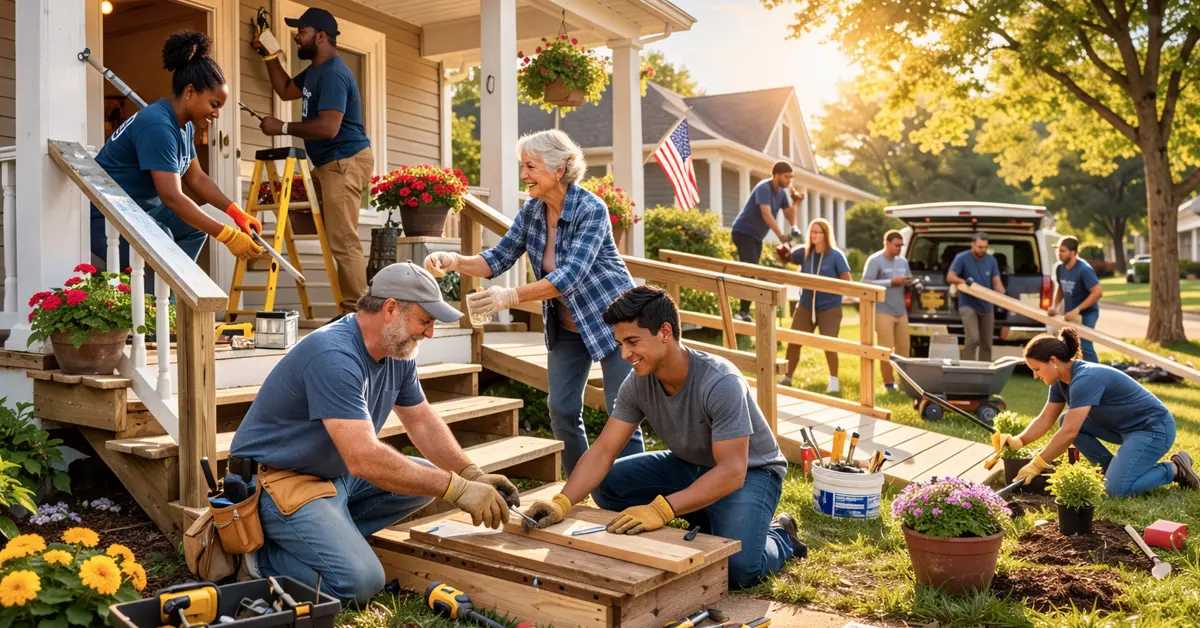
A ride. A meal. Help with a repair. Someone willing to teach a useful skill—or listen long enough to discover what is needed.
Small things beside the problems of the country? Perhaps. But a shared project gives us practice keeping commitments. Teaching leaves someone more capable. Checking on a person living alone means somebody notices when trouble comes.
Do that consistently and you begin to have a community that can take on more.
It takes patience, humility, and a willingness to deal with other human beings, who have a persistent habit of being other human beings.
Noah Didn’t Age Out
And while we’re considering reasons to wait, let’s talk about “I’m too old.”
I’m in my mid-60s. Our founder, Charlie Johnston, is in his 70s. Neither of us has slowed down, and we both seem to agree that our 60s and 70s may be our most productive years yet. We’ve spent decades learning a few things. It would be a shame to quit just when some of them are becoming useful.
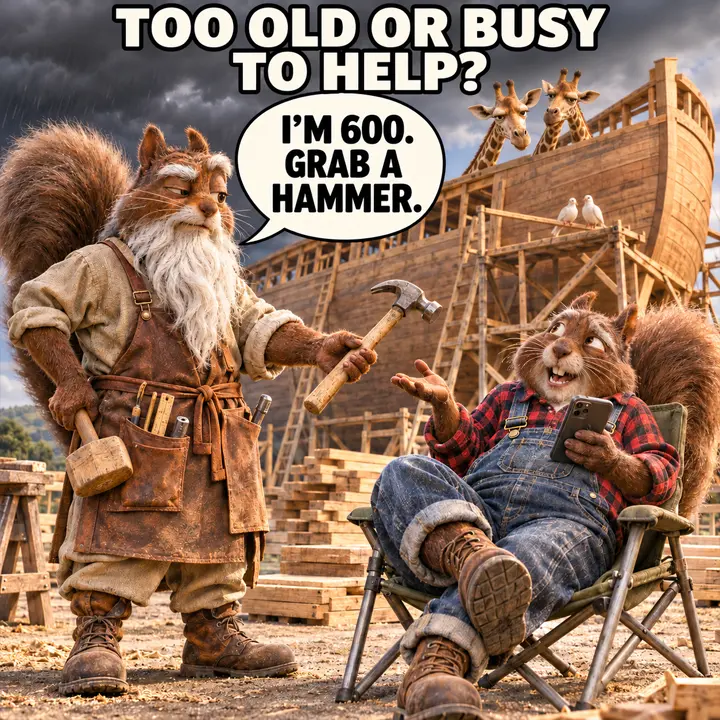
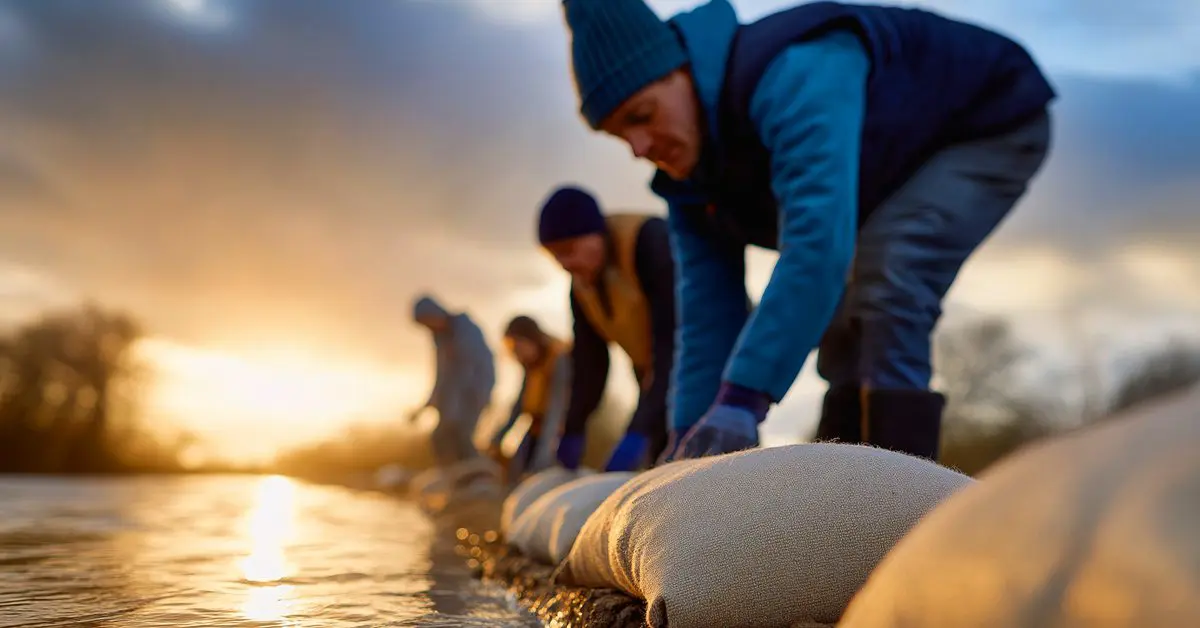
Genesis tells us Noah was 600 when the flood came. That is quite a second act. Apparently, nobody told him he’d aged out of the Crisis Scenarios Team.
Of course, health and circumstances impose real limits. We ought to respect those and help one another carry them. But a birthday alone doesn’t tell us what we can contribute. Experience, judgment, encouragement, and the ability to teach are useful things to bring to a community.
We may need to change how we serve as we age. We can still look for what is ours to do.
Then there’s “I’m too busy.” Fair enough. Families, jobs, caregiving, and other commitments make real demands. Sometimes those responsibilities are precisely where our service belongs. But it’s worth asking whether we have room for one useful commitment, especially if we somehow found an hour to discuss the latest political outrage.
And if your answer is “I’m already doing this,” good. Plenty of CORAC members are. Tell us about it. That isn’t bragging; it gives someone else a place to start. Share how you got people together, what you learned, or where you could use another pair of hands. Your experience could turn somebody else’s “I wouldn’t know where to begin” into “I could do that.”
One Need, This week
For anyone still waiting, here is a Go Forth assignment for this week:
Find one need within reach. Make a specific offer to help. Invite someone to join you. Put a time on the calendar and follow through.
Then tell us what happened. What worked? What was harder than expected? What could another member learn?
That gives us something useful to pass along.
We will have more elections, more victories, and more disappointments. Through all of it, we will have people entrusted to our care and opportunities to do some good.
Somebody within reach could use a reason for hope.
We can show up.