
Comfort isn’t wisdom—it’s a slow killer.
If you’re like most in these times, comfort is slowly killing you. Not in a dramatic way. In the quiet way. The way where months blur into years and you’re still thinking about the same conversation, the same dream, the same risk you were too afraid to take.
The problem isn’t that you lack courage. It’s that you’ve mistaken safety for wisdom.
This talk explores what courage actually is—and why waiting for the “right time” is just another word for never. You’ll discover a framework that separates smart risks from reckless ones, hear from people who took the leap (and what it cost them), and learn why the people you admire didn’t get there by playing it safe.
The question isn’t whether you’re brave enough. You are.
The question is: are you tired of waiting yet?
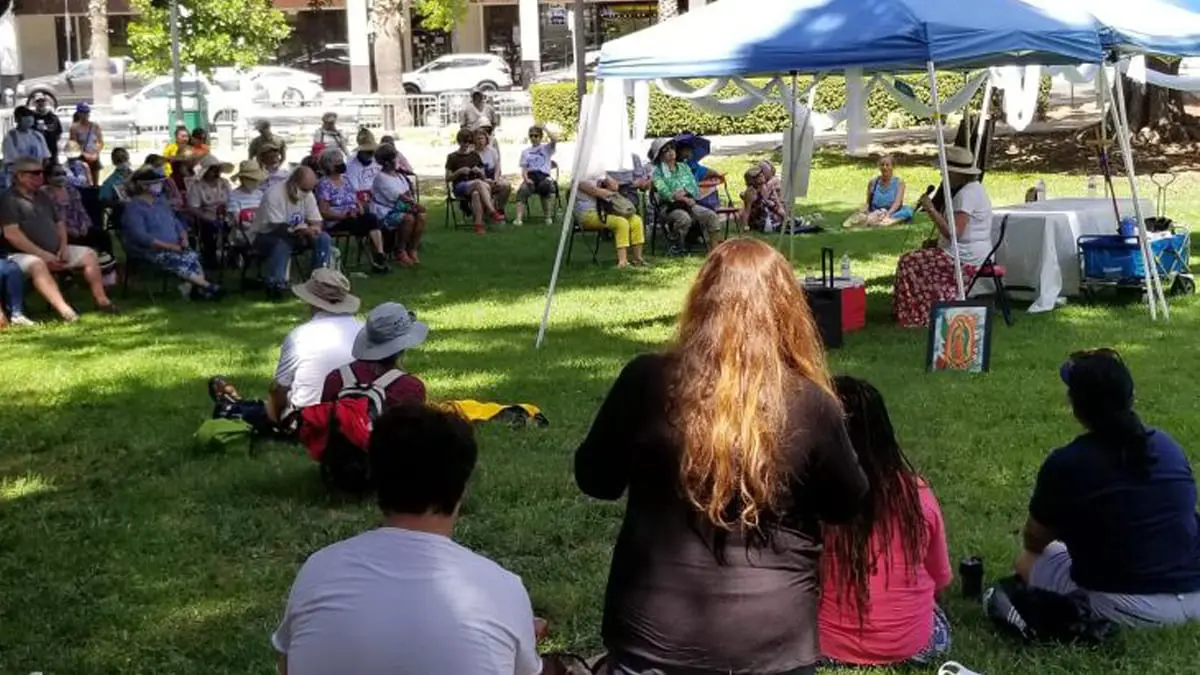
Hosted by MP, CORAC’s executive director.
LISTEN TO THE EPISODE 11
The Courage Quest
I want you to imagine something with me. You’re in a relationship that’s fine—not great, just fine. Your job pays well enough, you’re not miserable, and your life looks good on Instagram. And yet you’re absolutely dying inside, not dramatically or in a way that requires therapy, though therapy’s great and also probably cheaper than the vacation you’re not taking. You’re dying the way a plant dies in a room with no windows—slowly, so slowly you almost don’t notice it’s happening. One day you just realize all your leaves are gone.
But here’s the thing: you know what you actually want to do. You know the conversation you need to have, the risk you need to take. Yet every time you get close, something stops you. It’s not logic—logic would take five seconds. It’s something deeper. It’s a whisper that sounds reasonable, like protection: “What if you’re wrong? What if people think you’re crazy? What if you fail? What if it’s worse than this?” And so you don’t. You stay, you wait, you convince yourself that someday, when you’re more ready, when the timing is better, when you’re more certain—then you’ll do it. But of course the timing never gets better, you never get more certain, and one day you realize you’ve spent your whole life in a waiting room. And not even a nice waiting room with good magazines. A waiting room with a broken coffee machine and fluorescent lighting. Today we’re talking about how to walk out of it.
The Voice That Isn’t God
Let me tell you something about fear: it’s not stupid, it’s not weak, and it can actually be incredibly intelligent. Fear evolved to keep you alive and it’s saved our species a million times. The problem is it’s also keeping you trapped, and here’s what I want to warn you about—fear doesn’t sound like a villain. It sounds like your friend, like wisdom, like “being realistic.” It sounds like the voice of reason. It sounds like your mom.
Your fear says, “I’m just trying to protect you.” It says, “Look at what happened to people who took risks.” It says, “You’re not ready yet.” Your fear sounds so reasonable that you think it’s you thinking, but it’s not. It’s like having a very anxious roommate living in your head who won’t shut up. Jesus understood this, and He was really blunt about it.
What Jesus Actually Said (And It’s Uncomfortable)
Jesus said “fear not” or “do not be afraid” 66 times in the Gospels. That’s not a gentle suggestion—that’s the Son of God watching people choose safety over life and repeatedly saying: “Stop. Please stop doing that.” If He had to say it 66 times, you know people weren’t listening. We’re still not listening. But here’s what makes it radical: He didn’t say fear not because everything would be fine. He said it knowing everything would not be fine.
He said it to His disciples knowing they would be hunted, to His followers knowing they would suffer, to Himself in Gethsemane knowing what was coming. So when He says “fear not,” He’s not denying reality. He’s not saying “Don’t worry, nothing bad will happen.” He’s doing something much harder—He’s saying: “I know it’s scary, I know you might lose everything, I know you might fail. Do it anyway.” That’s not inspirational poetry. That’s some scary stuff wrapped in love.
The Uncomfortable Verse
Here’s something else He said that wrecks people: “Whoever wants to save their life will lose it, but whoever loses their life for me will find it” (Matthew 16:25). We treat this like poetry, but it’s much more—try looking at it as a mathematical statement. He’s saying: if you spend your entire life protecting what you have—your comfort, your reputation, your safety, your small life—you will have protected yourself right out of actually living. You’ll be like that person who never uses their nice dishes because they’re saving them for a special occasion that never comes. But if you risk it, if you lose it, if you let it go for something that matters, then you actually find life. Not in some far-off afterlife way, but right now, in this life. You become alive. And here’s the part that baffles me completely: most of us would rather be dead and comfortable than alive and scared. We’d rather have a terrible life that’s predictable than a great life that’s uncertain.
The Storm Story (The One Everyone Misses)
In Mark 4:35-41, the disciples are in a boat when a storm comes up and they’re panicking. Jesus is asleep. They wake Him up: “Teacher, don’t you care that we’re going to die?” And Jesus does something unexpected—He doesn’t immediately calm the storm. He asks them: “Why are you afraid? Have you still no faith?” Wait, what? The storm is still there, the waves are still crashing, the danger is still real, yet He’s asking: why are you afraid? Here’s what He’s really asking: “Do you believe that something bigger than this storm is at work?”
And that’s when it clicks. Faith isn’t about the absence of danger—faith is about the presence of purpose. Courage isn’t “I’m not afraid.” Courage is “I’m terrified and I’m doing it anyway because something matters more.” That’s the honest version.
The Difference Between Brave and Stupid
Okay, let’s be real for a second. Not every risk is worth taking, and some people mistake recklessness for courage and end up in jail, bankrupt, or alone. So let’s define what we’re actually talking about here. Because there’s a big difference between courage and just making terrible decisions and calling it brave.
The Anatomy of a Calculated Risk
A calculated risk has four things: First, information—you’ve done your homework and understand what you’re getting into. You’re not flying blind. You’ve actually looked at the map. Second, intention—you know why you’re doing this, not for Instagram or to prove something to someone who hurt you, but because something genuinely matters. Not because you want the story. Because you want the thing. Third, boundaries—you’ve thought about what could go wrong and decided you can live with it. You’re not betting the house, you’re betting what you can afford to lose. And fourth, purpose—this serves something bigger than you. It’s in service of a goal, a relationship, a calling, a contribution. It’s not self-serving. That’s a calculated risk.
The Anatomy of Recklessness
Recklessness has four different things: First, impulse—you haven’t thought it through and you’re running on adrenaline and emotion. You’re basically a golden retriever that just saw a squirrel. Second, ego—you’re doing it to prove something, to show people you’re brave, to shock them, to matter. It’s about you. Third, no boundaries—you have no idea what could go wrong and you don’t care. You’re all in on a bet you don’t understand. You might as well be playing poker with money you don’t have. And fourth, self-serving—it’s about you, your glory, your story, your redemption. The difference between the two? Usually about 20 minutes of honest thinking.
The Hard Truth
Here’s what nobody wants to hear: sometimes you’ll do everything right and it’ll still go wrong. You’ll take a calculated risk and lose, do your homework and still fail, have pure intentions and people will still judge you. That’s not a bug—that’s the deal. The question isn’t whether you might fail. You might. You probably will at some point. The question is: is it worth it? And the only person who can answer that is you.
People Who Actually Did This (And What It Cost)
That’s the theory. But theology and Jesus quotes only take you so far — at some point you have to ask: has anyone as ordinary as me actually lived this out, and what did it cost them? Not in a “here’s a nice metaphor” way, but in a real, historical, this-person-had-everything-to-lose way. So let’s look at a few who did.
Saint Joan of Arc: The Teenager Who Led an Army
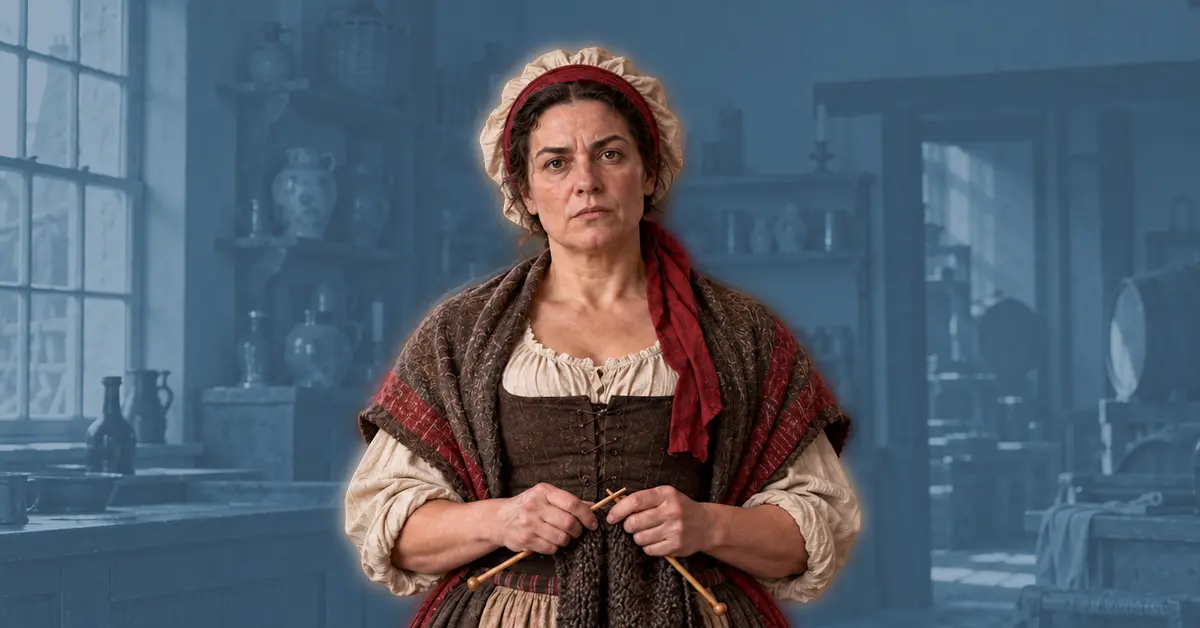
Joan was born a peasant in 1412 with no education, no military training, no authority, no credentials. At 16, she started hearing voices she believed were from God, and she decided that France needed her to lead an army into battle against the English. She was 16. She went to the local commander and told him this—he basically laughed at her. She went to the next commander, same thing. She kept going until she found someone who believed her. Talk about persistence. Most of us give up after one person says no.
She convinced the French king to let her command troops—a teenager with no experience, just absolute conviction. Here’s the thing: she was right. She won battles and changed the course of the war. But here’s what actually matters: she knew what she was risking. She knew people thought she was insane, that if she failed she’d be remembered as a fraud, that if she was captured she’d be executed. She did it anyway. And you know what? She was captured, tried for heresy, and at her trial they offered her a way out: recant, say you were wrong, say the voices weren’t real, live. She refused. They burned her at the stake at 19.
Now, I’m not saying you need to die for your convictions—that’s a pretty high bar—but this girl risked everything for something she believed in and went through with it even when it was clear she was going to lose. That’s not blind faith—that’s courage. Sometimes you’re the only person in the room who sees what needs to happen, sometimes you’re right, and sometimes being right costs everything. And you do it anyway.
Saint Francis of Assisi: The Rich Kid Who Gave It All Away
Francis was born wealthy with a successful merchant father and everything a person could want. Then he had a spiritual awakening and decided to give it all away—not in a “I’m going to be poor but still dignified” way, but in a “I’m going to strip naked in the town square and hand my clothes back to my father” way. That actually happened, in front of the bishop and the entire city. His father was humiliated, his family scandalized, everyone thought he’d lost his mind. And honestly, from their perspective, he probably had.
But here’s what’s brilliant about Francis: his courage wasn’t just about grand gestures, though sometimes it was. It was about daily vulnerability, about choosing to see Christ in the poor, the sick, the diseased, about hugging lepers when everyone else was terrified of them, about waking up every single day and choosing compassion over comfort even though it made him look foolish. Francis knew what people said about him, knew he was risking his reputation, his family relationships, his security, his comfort, knew he was going to be poor and hungry and cold. He did it anyway because something mattered more. Courage often looks like choosing something that matters over something that’s easy, and it often looks foolish from the outside, and you do it anyway.
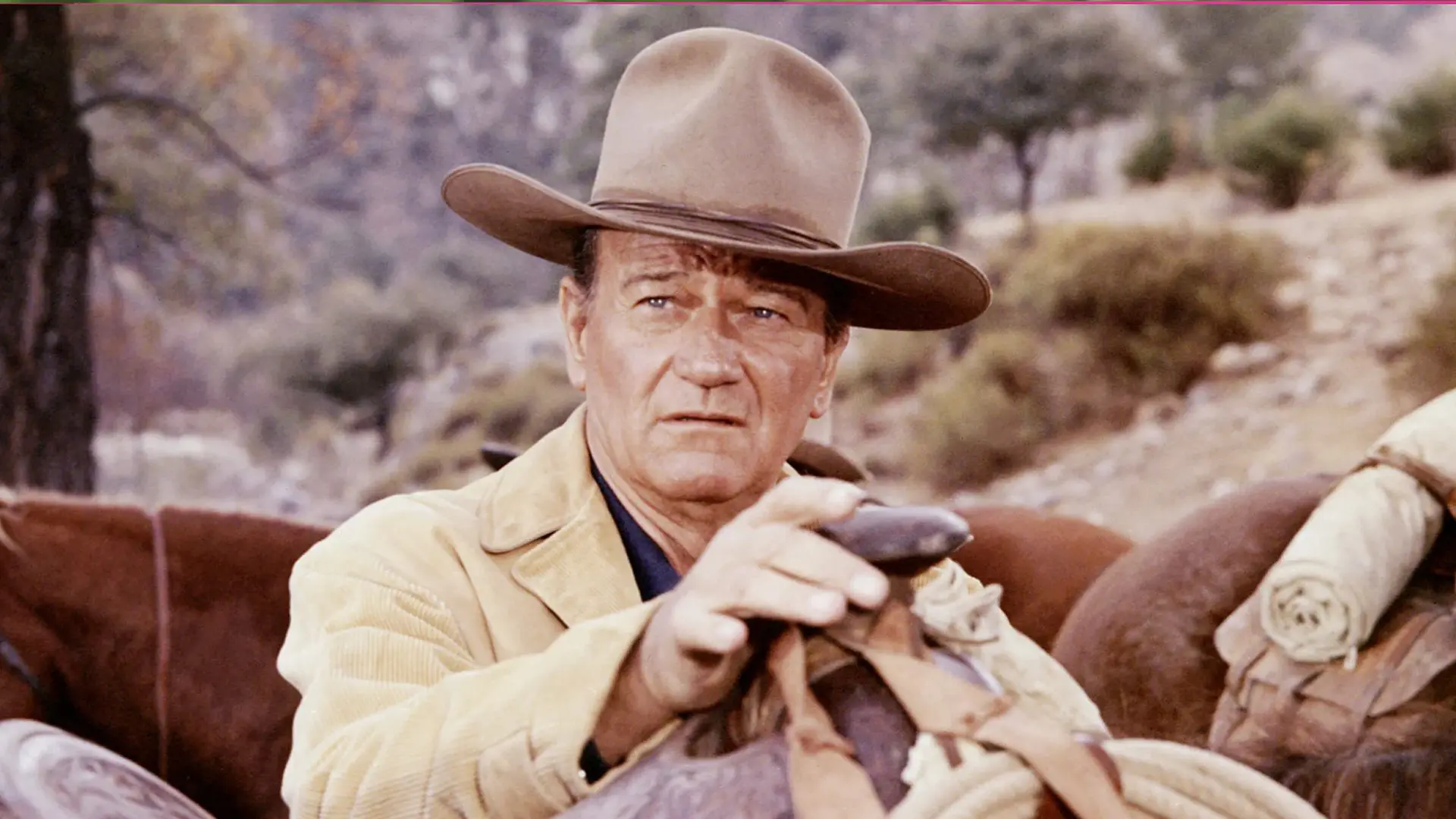
John Wayne: The Man Who Understood Fear and Saddled Up Anyway
John Wayne wasn’t a saint, but he understood courage in a way that’s worth talking about. Throughout his career, he took roles that challenged him, spoke his mind publicly even when it was unpopular, and lived according to his convictions. He knew something that most people never figure out, and he said it better than almost anyone: “Courage is being scared to death… and saddling up anyway.” That’s it. That’s the whole thing. Not “courage is not being scared.” Courage is being absolutely terrified and doing it anyway.
Wayne understood this through his characters too. Rooster Cogburn in True Grit was an aging, flawed lawman who doubted himself but saddled up anyway because the cause mattered and someone believed in him. He wasn’t fearless—he was scared and tired and uncertain. But he did it. That’s the kind of courage most of us actually need. Not the courage of perfect certainty or superhuman strength, but the courage of a worn-out man who knows his limitations and acts anyway because something matters more than his comfort or his doubt. A man who’s not sure he can do it but does it anyway.
Wayne knew that real courage looks like someone who’s terrified, genuinely, deeply scared, and does the thing anyway. He knew that you don’t wait until the fear goes away. You acknowledge the fear, you feel it in your bones, you admit that you’re basically terrified, and then you saddle up. That’s a different kind of bravery than the saints, maybe, but it’s real. It’s the kind of courage most of us will actually need.
Saint Hildegard of Bingen: The Nun Who Defied Authority
Hildegard was born in 1098 and became a Benedictine nun in an era when women were expected to be silent and obedient, but she didn’t just pray quietly in a convent. She became a theologian, a composer, a healer, a writer, and a mystic in an age when women had almost no authority. In a time when women weren’t supposed to have ideas, she had lots of them. She had visions, wrote about them, sent them to the Pope, and instead of being dismissed, she was validated—but that validation came after years of fighting to be heard and pushing back against a system not built for her voice.
Here’s what matters: Hildegard didn’t wait for permission to use her gifts, didn’t hide her intellect because she was a woman in a male-dominated church, didn’t silence her voice because authority figures might disapprove. She wrote music, theological treatises, advised popes and kings, challenged the church on morality and reform—all in the 12th century when a woman’s voice was supposed to be silent, when her gender alone should have kept her confined to the margins. She did it anyway, knowing that every word she wrote and every idea she advanced was an act of defiance against a system designed to keep her small. Sometimes the bravest thing you can do is simply refuse to disappear.
Saint Thomas Becket: The Man Who Chose Principle Over Survival
Becket was Archbishop of Canterbury in the 12th century with power, prestige, and comfort—everything a man could want in a position of authority and influence. Then he had a crisis of conscience. King Henry II wanted to expand royal power over the church and subordinate ecclesiastical authority to his own will. Becket realized this was wrong and violated something fundamental about the church’s independence and its role as a moral authority separate from state power. So he refused.
He stood against the king publicly and repeatedly, knowing exactly what it would cost him, understanding that he was betting his life against the king’s ambition. He did it anyway. Henry, in a moment of rage, said words that amounted to “Who will rid me of this troublesome priest?” and some of his knights took it as a command. They murdered Becket in his own cathedral. That’s how seriously the king took it.
But here’s what’s crucial: Becket knew this might happen. He wasn’t naive or reckless. He understood the risk and calculated that his integrity mattered more than his safety. He chose principle over survival, stood at the altar knowing his defiance had made him a target, and refused to back down or flee. True courage sometimes means standing alone against power itself, choosing what’s right over what’s safe even when you can see exactly what it will cost you, being willing to lose everything—including your life—for something that matters more than your own survival. Most of us will never face that choice in its starkest form, but we face smaller versions of it constantly: Do we speak truth to power or stay silent to stay safe?
Why We Don’t Do This (The Real Reasons)
Okay, so we know courage matters, we know the saints did it, we know Jesus told us to do it, we know John Wayne lived it. So why don’t we? Why are we still sitting in that waiting room?
Fear of Failure
This is the big one. We’re not actually afraid of the thing—we’re afraid of failing at the thing and having to live with that knowledge. We’re afraid of being the person who tried and didn’t make it. We’re afraid of becoming a cautionary tale. But here’s the secret nobody wants to admit: everyone fails. Everyone. The people you admire failed multiple times, sometimes publicly. The difference between successful people and unsuccessful people isn’t that successful people don’t fail—it’s that successful people fail and then keep going. They fail and they don’t make it their identity.
Jesus’s disciples were a disaster. They misunderstood Him constantly, betrayed Him, denied Him. Peter denied knowing Him three times, and Jesus still made him the rock of the church. Why? Because He understood that growth requires failure, that learning requires mistakes, that becoming requires falling apart. But we treat failure like it’s a permanent condition, like if you fail once you’re a failure forever. You’re not. You’re just someone who tried something and it didn’t work. That’s called being human. Welcome to the club.
Fear of Judgment
We’re social creatures and we care what people think—that’s not weakness, that’s wiring. But here’s the thing: people are way too busy worrying about what you think of them to spend much time judging you. Seriously. Everyone’s too caught up in their own stuff. And the people worth keeping around respect courage even when it fails.
The saints understood this. Joan was called a heretic, Francis was called crazy, Hildegard was called presumptuous, Becket was called a traitor—they’re all saints now. John Wayne was called reckless and old-fashioned and worse, and yet people still respect what he stood for.
But here’s the real cost: while they were alive, people judged them harshly. They were mocked, criticized, and misunderstood, and they did it anyway because they understood something most of us never figure out: the people who judge you harshly are usually people whose opinions don’t actually matter. The people whose opinions do matter are usually rooting for you.
Fear of Loss
Taking a risk means you might lose something—money, time, status, comfort, security, a relationship, a job. The question isn’t whether you might lose something. You will. The question is: what are you gaining? Jesus said something wild about this: “Whoever wants to save their life will lose it, but whoever loses their life for me will find it.”
He’s not being poetic—He’s saying if you spend your whole life protecting what you have, you lose the actual life. You keep your job but lose your passion, keep your relationship but lose your authenticity, keep your comfort but lose your purpose. You save your life and lose yourself. You end up with all your stuff and none of your dreams. But if you risk it, if you let go of what’s safe for what’s real, then you actually find life.
Fear of Being Wrong
This is the sneaky one because it sounds intellectual: “I’m not taking that risk because I might be wrong about it.” Yeah, you might be. So what? Being wrong is information, it’s feedback, it’s the only way you actually learn anything. But we treat being wrong like it’s a character flaw, like if you’re wrong about something it means you’re not smart or wise or worthy of trust. But that’s not how learning works. Learning works by being wrong and adjusting.
Every person who’s ever gotten good at anything has been wrong a thousand times—wrong about strategy, timing, approach, capability, what other people want. They’ve been wrong and they’ve learned and they’ve adjusted. That’s not failure—that’s the process. That’s how you get good at things.
The Real Fear (The One We Don’t Talk About)
But underneath all of these is a deeper fear, the one we don’t admit: if you take the risk and succeed, everything will change. Your relationships will change because you’ll be different, your job will change because you’ll have new expectations, your life will change because you’ll have new possibilities. And change is terrifying. It’s easier to stay in the comfortable cage—at least you know the bars. At least you know what to expect.
But here’s the thing: you’re changing anyway. You’re just changing into someone smaller, more afraid, someone who didn’t take the risk. That’s not safety—that’s slow death. That’s choosing decline instead of growth.
How to Actually Build Courage
Okay. Joan, Francis, Hildegard, Becket, even John Wayne — inspiring, sure, but you’re not a 15th-century teenager hearing voices, and you’re probably not about to get martyred at the altar. So let’s bring this back down to earth. What does courage actually look like on a random Tuesday, when the “risk” is a hard conversation or a job application instead of an army? Here’s how you actually build it.
1. Stop Waiting for Courage to Show Up
Here’s the myth: courage is something you feel and then you act. It’s backwards. You act and then you feel the courage. Courage isn’t a feeling that comes before—it’s a feeling that comes after. It’s what you feel when you realize you did the thing and you survived it. So stop waiting to feel brave. You’re not going to. You’re going to feel terrified and you’re going to do it anyway. That’s how it works. That’s always how it works.
John Wayne understood this perfectly. He said: “Courage is being scared to death… and saddling up anyway.” That’s not the absence of fear. That’s fear plus action. That’s acknowledging that you’re absolutely terrified and then getting on the horse anyway. You don’t wait for the fear to disappear. You don’t wait until you feel confident or ready or certain. You feel the fear in your chest, you recognize it for what it is—just a feeling, not a fact—and you saddle up anyway. That’s real courage. That’s the kind most of us will actually need.
2. Start Stupidly Small
Courage is a muscle. You don’t build it by attempting something impossible—you build it by doing hard things and surviving them. Speak up in a meeting when you usually stay quiet, have the awkward conversation you’ve been avoiding, ask for what you want instead of hoping someone figures it out, apply for the job you’re not sure you’re qualified for, share your idea even though it might be stupid. Each small act of courage makes the next one slightly less terrifying. You’re not training yourself to be fearless—you’re training yourself to act despite fear. Big difference. You’re proving to yourself that you can do hard things.
3. Know Your Why (And Make It Bigger Than You)
You can’t generate courage from nowhere—you generate it by connecting to something that matters more than your comfort. Before you take a risk, ask yourself: What am I doing this for? Who does this serve? What becomes possible if I succeed? What becomes impossible if I don’t try? Is this about me or about something bigger? If you can’t answer those questions, the risk probably isn’t worth it. But if you can, if you can look at that risk and say “This matters more than my comfort,” that’s your fuel. That’s what got Joan through her trial, Francis through the judgment, Hildegard through the resistance of an entire system, Becket to the altar knowing he might not leave it alive. They had a why that was bigger than their fear.
4. Do Your Homework (This Isn’t Overthinking)
Calculated risks require calculation, research, and asking questions. Talk to people who’ve done it, understand what could go wrong, make a plan for those things, then decide if it’s worth it. This isn’t overthinking—this is respecting the risk enough to understand it.
If you’re thinking about leaving your job, talk to people who’ve done it, understand the financial implications, know what your runway is, have a plan. If you’re thinking about having a difficult conversation, think about what you want to say and what you want the outcome to be, prepare yourself emotionally. If you’re thinking about starting something new, learn from people who’ve started similar things and understand the common pitfalls. Do your homework. It doesn’t eliminate the risk—it just makes it a calculated risk instead of a reckless one.
5. Build Your Support System (You Can’t Do This Alone)
Courage is easier when you’re not alone. Find people who believe in you—not people who will tell you what you want to hear, but people who will tell you the truth and support you anyway. The disciples had Jesus, Joan had her voices and her army, Francis had his community, Hildegard had fellow monks and eventually papal support, Becket had his faith and conviction. You need people who will say, “This is scary and I believe in you.” You need people who will celebrate when you succeed and hold you when you fail, who understand that courage is hard and are willing to sit with you in the hard. Find those people, tell them what you’re thinking about, let them help you think it through.
6. Reframe What Failure Actually Means
Here’s the mindset shift that changes everything: Failure isn’t the opposite of success—it’s the path to it. Every person you admire has failed multiple times, sometimes publicly. Joan failed—she was captured. Francis’s early attempts at faith were messy and uncertain. Hildegard had to fight for recognition of her work. Becket’s resistance ultimately cost him his life. John Wayne made bad movies, took roles that didn’t work, made public statements that damaged his reputation.
They didn’t let failure become their identity—they failed at the thing but didn’t become failures. Big difference. When you take a risk and it doesn’t work out, you don’t get to decide that you’re a failure. You get to decide that you tried something and it didn’t work, then you adjust and try again. That’s not failure—that’s learning.
7. Remember: You’ve Already Done Brave Things
You think you’re not courageous, but you are. You’ve survived hard things, you’ve changed, you’ve grown, you’ve been vulnerable with people, you’ve tried things that scared you. You’ve already done brave things—you’re just deciding whether to do more of them. The courage is in you. It’s just a question of whether you’re going to use it.
The Calculated Risk Framework
When you’re facing a decision about whether to take a risk, use this framework:
1. Clarity: What exactly am I considering? Why am I considering it? What would success look like? What does failure look like?
2. Research: What do I need to know? Who has done this before? What could go wrong? What usually goes right?
3. Capacity: Do I have the resources (time, money, skills)? Can I get the resources I don’t have? What would I need to give up? Am I willing to give it up?
4. Consequence: What’s the worst-case scenario? Can I live with that? What’s the best-case scenario? Is it worth the risk?
5. Commitment: Am I all in or hedging my bets? What would full commitment look like? Am I willing to do that?
6. Community: Who needs to know about this? Who will support me? Who will hold me accountable? Have I told them?
7. Conviction: Does this align with my purpose? Does this serve something bigger than me? Can I explain why this matters? Would I do this even if nobody was watching?
If you can answer all seven honestly, you’re ready. If you can’t, you need to do more work.
The Life You’re Not Living
Here’s what I want you to understand: the cost of not taking risks is higher than the cost of taking them. Not taking risks costs you the life you could have lived, the impact you could have made, the person you could have become, the dreams you could have pursued, the relationships you could have built, the problems you could have solved, the love you could have given, the joy you could have experienced.
Taking risks costs you comfort, maybe temporarily, certainty (which was an illusion anyway), and the approval of people who don’t matter. Maybe some money or time or status. Which list is longer? Which list matters more?
Jesus didn’t come to make us comfortable. He came to make us alive. And alive people take risks. The saints didn’t become saints by playing it safe—they became saints by betting everything on something that mattered. John Wayne didn’t become a legend by staying safe either. He understood that you saddle up even when you’re scared to death.
You don’t need to be a saint, don’t need to lead an army or give away everything or die for your convictions. But you do need to be brave enough to live the life you actually want instead of the life you’re afraid to leave.
You do need to be brave enough to have the conversation, to take the job, to end the relationship, to start the thing, to say no, to say yes, to be yourself. So here’s my challenge: identify one calculated risk you’ve been avoiding, the one that keeps you up at night, the one you think about when you’re alone.
Do your homework, build your support system, connect to your why, and then take it. Not because you’re certain it will work out—certainty is for people who aren’t paying attention—but because something inside you knows it matters.
That’s courage. And you’ve got it in you.
The only question is: are you going to saddle up?
ACTION ITEMS
5 Things You Can Start Doing Now
1. Name the Risk You’re Avoiding. Write down the one thing you’ve been thinking about but haven’t done. The conversation, the job change, the boundary you need to set. Don’t overthink it—just name it. Clarity is the first step.
2. Do Your Homework (30 minutes). Spend half an hour researching. Talk to someone who’s done it. Look up what could go wrong. This isn’t overthinking—it’s respecting the risk enough to understand it.
3. Identify Your Why. Why does this matter? Who does it serve? What becomes possible if you succeed? Write it down. Your why is your fuel when fear shows up.
4. Tell One Person. Don’t keep it secret. Tell someone you trust—not to get permission, but to make it real. Saying it out loud changes something.
5. Set a Date. Not “someday.” A specific date. A week from now. A month from now. But a date. Vague intentions die. Specific commitments survive.


























































































































0 Comments